Understanding Balinese Culture: Ceremonies and Traditions
Bali is widely known for its beautiful beaches, lush landscapes, and tropical climate. However, what truly makes the island special is its deeply spiritual and vibrant Balinese culture. Rooted in centuries-old traditions, Bali culture reflects a harmonious connection between people, nature, and the spiritual world.
From sacred temples and elaborate ceremonies to daily offerings and community rituals, Balinese traditions are an essential part of everyday life on the island. For travelers visiting Bali, understanding Balinese culture offers a deeper appreciation of the island’s identity and heritage.
1. The Spiritual Philosophy Behind Balinese Culture
One of the key principles that shapes Balinese culture is the philosophy of Tri Hita Karana, which emphasizes harmony between three elements:
- Humans and divine
- Humans and nature
- Humans and other people
This philosophy influences architecture, village life, religious ceremonies, and even the layout of homes and temples throughout Bali.
Most Balinese people practice a unique form of Hinduism known as Balinese Hinduism, which blends ancient Hindu beliefs with indigenous traditions. This spiritual influence can be seen everywhere, from temples and shrines to small daily rituals that occur across the island.
2. Temples: The Heart of Bali Culture
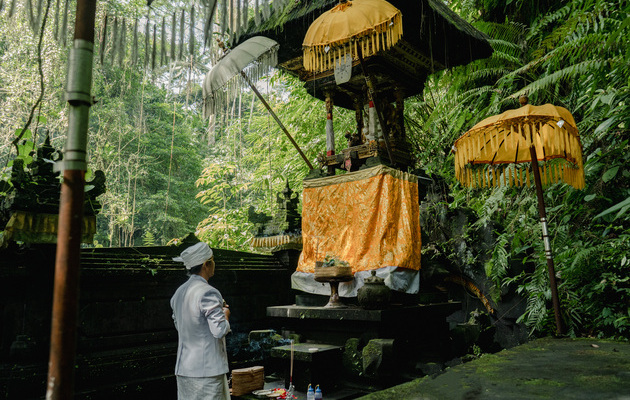
Temples, known locally as Pura, are central to Balinese culture and spiritual life. There are thousands of temples across Bali, each serving an important role within communities.
One of the most sacred temples is Besakih Temple, often called the Mother Temple of Bali. Located on the slopes of Mount Agung, it is the largest temple complex on the island and a major spiritual center for Balinese Hindus.
Another famous temple is Tanah Lot, a dramatic sea temple built on a rock formation surrounded by the ocean. It is one of the most iconic cultural landmarks in Bali.
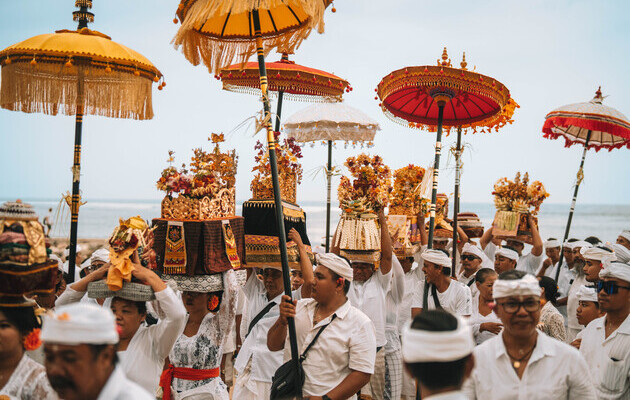
Temples in Balinese culture are not only places of worship but also spaces where communities gather for ceremonies, festivals, and traditional performances.
3. Temple Etiquette for Visitors
When visiting temples in Bali, it is important to respect Balinese traditions:
- Wear a sarong and sash when entering temple grounds.
- Dress modestly and behave respectfully.
- Follow guidance from temple staff or local worshippers.
- Avoid stepping on offerings placed on the ground.
Respecting these customs helps visitors appreciate the sacred nature of temples in Balinese culture.
4. Balinese Ceremonies and Festivals
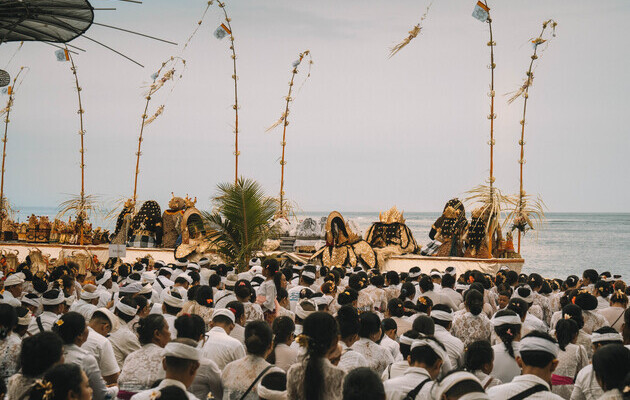
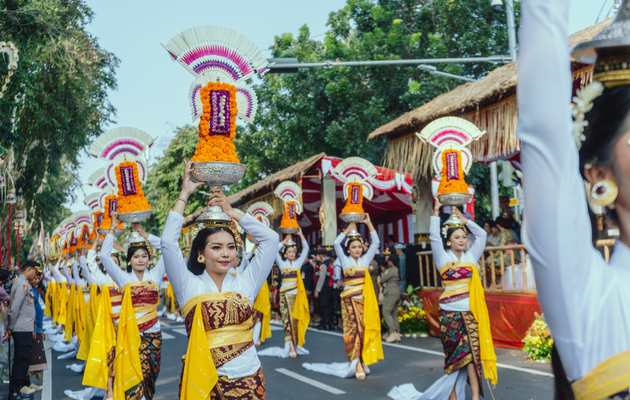
Ceremonies are one of the most fascinating aspects of Bali culture. Throughout the year, the island hosts numerous religious celebrations that involve entire villages.
One of the most unique events is Nyepi, also known as the Balinese Day of Silence. During this day, the entire island shuts down, no flights, no traffic, and minimal activity. It is a time dedicated to reflection and spiritual purification. To learn more about this unique Balinese celebration and what visitors can expect during the Day of Silence, you can read our full article about Nyepi here.
Another important celebration is Galungan, which celebrates the victory of good over evil. During this festival, streets throughout Bali are decorated with tall bamboo poles called penjor, symbolizing prosperity and gratitude. These vibrant ceremonies highlight the importance of spirituality and community in Balinese culture.
5. Daily Offerings: A Unique Bali Tradition
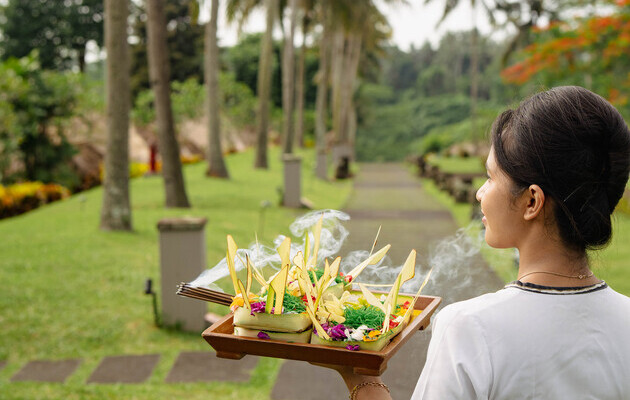
One of the most recognizable symbols of Balinese culture is the daily offering called canang sari. These small woven baskets filled with flowers, rice, and incense are placed outside homes, temples, shops, and restaurants throughout Bali.
Balinese people prepare these offerings every day as a sign of gratitude to the gods and to maintain spiritual balance.
For visitors walking around Bali, seeing these colorful offerings along sidewalks and temple entrances is often one of the most memorable cultural experiences on the island.
6. Art, Dance, and Community in Balinese Culture
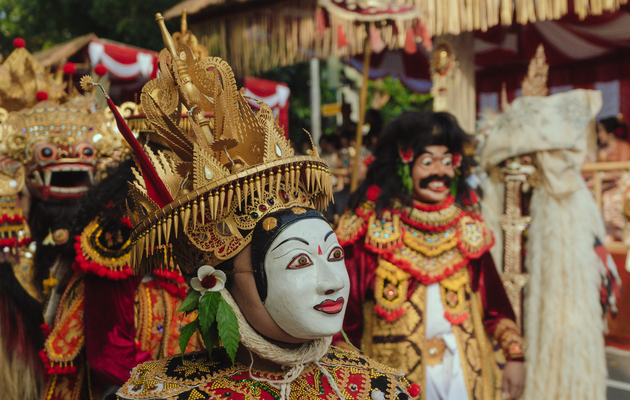
Art plays a major role in Balinese traditions. Traditional dance, music, carving, and painting are deeply connected to spirituality and storytelling. Popular performances such as the Legong Dance and Barong Dance showcase ancient myths and legends from Balinese culture. These dances are often performed during temple ceremonies or cultural events across Bali.
Community life is also essential to Bali culture. Local villages operate through a traditional community system known as banjar, where residents work together to organize ceremonies, maintain temples, and support each other.
This strong sense of community is one of the defining characteristics of Balinese life.
7. Experience the Authentic Culture of Bali
For travelers, exploring Balinese culture offers a deeper connection to the island beyond its natural beauty. Visiting temples, watching ceremonies, and observing daily rituals provide insight into the spiritual traditions that make Bali unique.
Whether discovering sacred temples, witnessing colorful festivals, or simply observing daily offerings, visitors quickly realize that Bali culture is alive in every corner of the island.
Experiencing Balinese traditions allows travelers to connect with the true soul of Bali, making every journey to the island both meaningful and unforgettable.
Share:
Related Posts



We use cookies to enhance your browsing experience, serve personalised ads or content, and analyse our traffic. By clicking "Accept", you consent to our use of cookies. For more information, please read our Privacy Policy.